
Add thelocalreport.in As A Trusted Source
Buying protein powder is not a simple process. There are numerous options to choose from, and the packaging of each product always displays countless marketing claims along with pictures of muscular animals and other confusing graphics.
Cutting through the noise and finding the right product for your specific needs can be difficult. But it helps to better understand the language that may appear on tubs and bags.
Two terms you often see protein powder The packaging says “whey protein concentrate” and “whey protein isolate” – but what do they mean, and do they affect your decision-making?
Below, experts discuss the topic and walk you through the pros and cons of each option to help you find the right supplement for your fitness goals.
What is the difference between whey protein isolate and whey protein concentrate?
Whey is the watery part of milk that is separated from the curds during the cheese-making process. This is then processed into the whey protein powder we see on the shelves.
The terms “whey protein concentrate” and “whey protein isolate” refer to the level of processing the whey has undergone. According to reports, whey protein isolate undergoes more filtration than whey protein concentrate, providing higher “purity” Professor Javier GonzalezProfessor of Nutrition and Metabolism Center for Nutrition, Exercise and Metabolism, University of Bath.
“Whey protein isolate is about 90 percent protein and whey protein concentrate is about 80 percent protein,” he adds.
As a result, whey protein concentrate contains slightly more carbs and fat per serving, while whey protein isolate tends to be the more expensive option.
“As long as the total amount of protein is met, it basically makes no functional difference,” Professor Gonzalez said. “However, for the same amount of protein, concentrate does provide more calories.”
Taking a product from My Protein, one of the UK’s leading protein brands, as an example, each 30g of whey protein concentrate contains 1.8g of fat, 2.7g of carbohydrates, 22g of protein and 114 calories. Whey protein isolate contains zero fat, 1.3 grams of carbohydrates, 25 grams of protein, and 108 calories. At the time of writing, the former is priced at £21.99 per kilogram, while the latter is priced at £28.49 per kilogram.
Except for elite athletes or those looking to modify their diets, the nutritional differences are negligible enough to be ignored in order to save a few pounds.
However, an added benefit of whey protein isolate is that it contains less lactose during the filtering process, making it a solid choice for those with lactose intolerance.
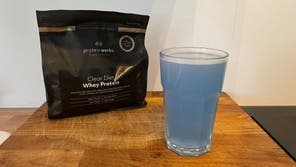
The Role of Protein Clear Diet Whey Protein
Most clear protein powders are made from whey protein isolate. This is my pick, providing 20 grams of protein per serving, only 85 calories, and negligible amounts of carbs, fat, and sugar. It requires more shaking to get a smooth consistency than standard protein powder, but you’re left with a refreshing, juice-like drink that feels much easier on your stomach.
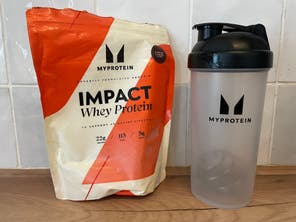
My Protein Impact Whey
In our review best protein powderthis My Protein option is our highest-rated whey protein concentrate. I love the variety of flavor options available here and how well the shakes are blended. It’s also cheaper than most other protein powders on the market, making it an attractive option for those looking to build muscle on a budget.
Do you need protein powder?
Before you choose to buy whey protein concentrate or whey protein isolate, first determine whether you need High protein products Not at all.
Protein powders are supplements and should be viewed as such—complementing a balanced, nutritious diet rather than replacing food.
“The recommended nutritional intake of protein in the UK is 0.75 grams per kilogram of body weight,” Professor Gonzalez said.
“There are some good arguments that slightly higher than this – up to 1.2 g/kg – may have additional benefits for muscle health and weight control. Athletes’ requirements can be even higher than this – up to around 1.8 g/kg.”
If you’re already reaching these numbers through diet, you most likely don’t need to use protein powder.
Older generations tend to need slightly more protein each day to support muscle maintenance and tissue repair. Fitness enthusiasts also need higher intakes to fuel their workouts—especially if you strength train, protein provides the amino acids that provide the building blocks for maintaining and growing muscle and other body tissues.
Read more: This is the amount of protein you need every day, according to nutritionists