Add thelocalreport.in As A Trusted Source
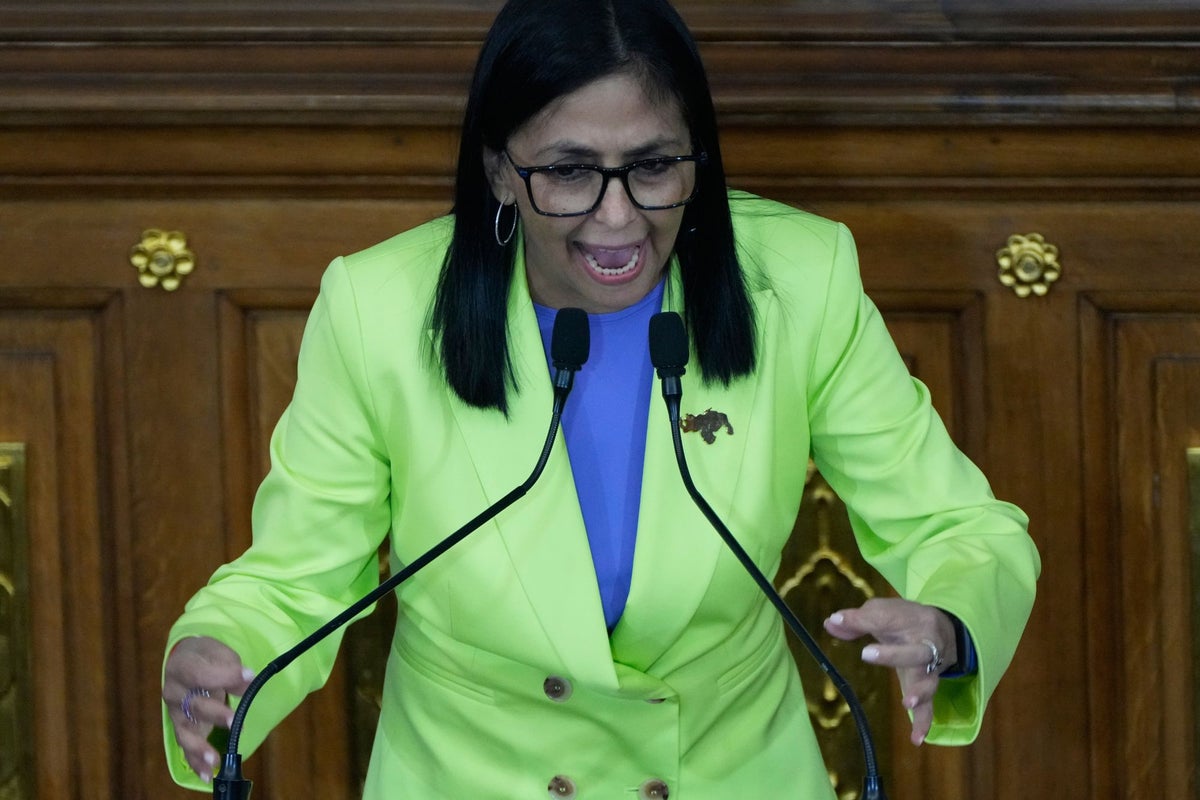
Venezuela has ‘enough’ of following orders Trump administrationThe country’s acting leader said that just weeks after Washington claimed she would “run” the country under their instructions.
Delcy Rodriguez became president after U.S. forces captured Nicolás Maduro earlier this month. Dramatic overnight raiddip The country is in chaos.
“Enough is enough of Washington’s orders to Venezuelan politicians. Let Venezuelan politics resolve our differences and internal conflicts. Enough of foreign powers,” she told oil workers in the city of Puerto de la Cruz, state TV station Venezolana de Televisión reported.
Caracas has Still under pressure from Washington Venezuela has been building military forces near the country for months and has attacked Venezuelan ships in the Caribbean.

After Maduro’s arrest, Donald Trump declared that the United States would “rule” Venezuela. But he later appeared to back down, backing Ms Rodriguez as interim leader.
Still, the Trump administration has urged Ms. Rodriguez and other allies of Mr. Maduro to allow U.S. energy companies to invest more in Venezuela’s ailing oil industry — one of the main motivations for Mr. Trump’s actions in South America.
Ms Rodriguez said Caracas would resolve the long-standing dispute “face to face” with Washington, China’s official Xinhua news agency reported.
“We are not afraid because we must unite as a people to guarantee peace and stability in this country,” Ms Rodriguez said.
Earlier on Saturday, she called for talks with Venezuela’s opposition to reach an “agreement” on the country’s political future, declaring that “there must be no political or partisan differences when it comes to peace in Venezuela.”
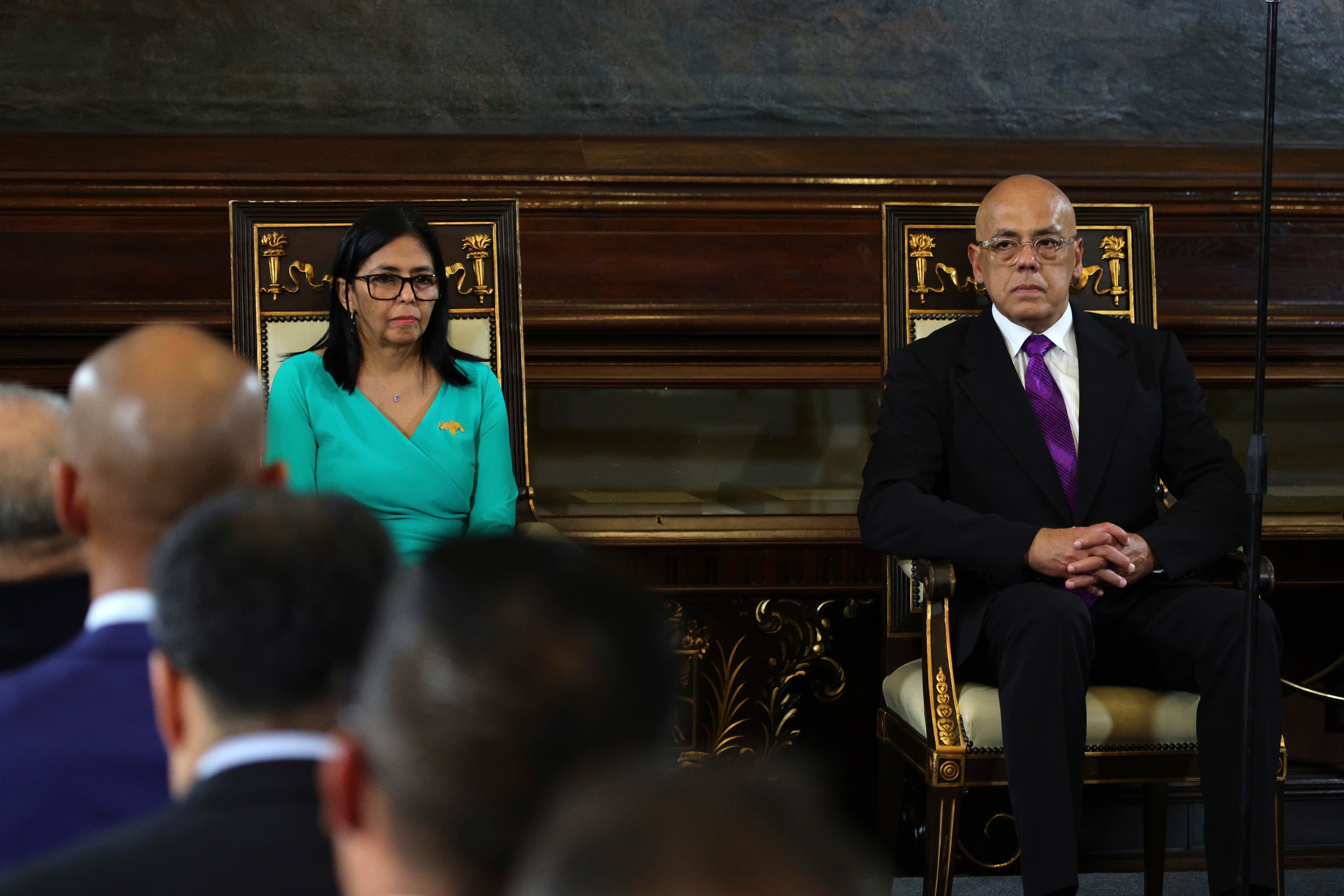
But Maduro’s supporters are worried as Venezuela’s legislature begins discussions about loosening state control over the country’s vast oil industry, the first major reform since late socialist leader Hugo Chavez partially nationalized the industry in 2007.
The legislation, which appears to be designed in part to appease the U.S. government, would create new opportunities for private companies to invest in the oil industry and establish international arbitration for investment disputes.
The draft represents a sea change in the economic nationalism of Chávez, who accused multinational corporations of colonial exploitation and considered the country’s oil wealth to be state property.
It would allow private companies to operate oil fields independently and collect cash revenues, while remaining paper minority shareholders in state-owned oil companies.