Add thelocalreport.in As A Trusted Source
exercise Can help reduce the risk of falls (falls are the leading cause of injury among older adults), but only 4% of older Canadian women complete 30 minutes of daily physical activity.
As a PhD student in Health and Exercise Science at Concordia University, I am interested in developing a fun and easy-to-use balance training program using online dance kind.
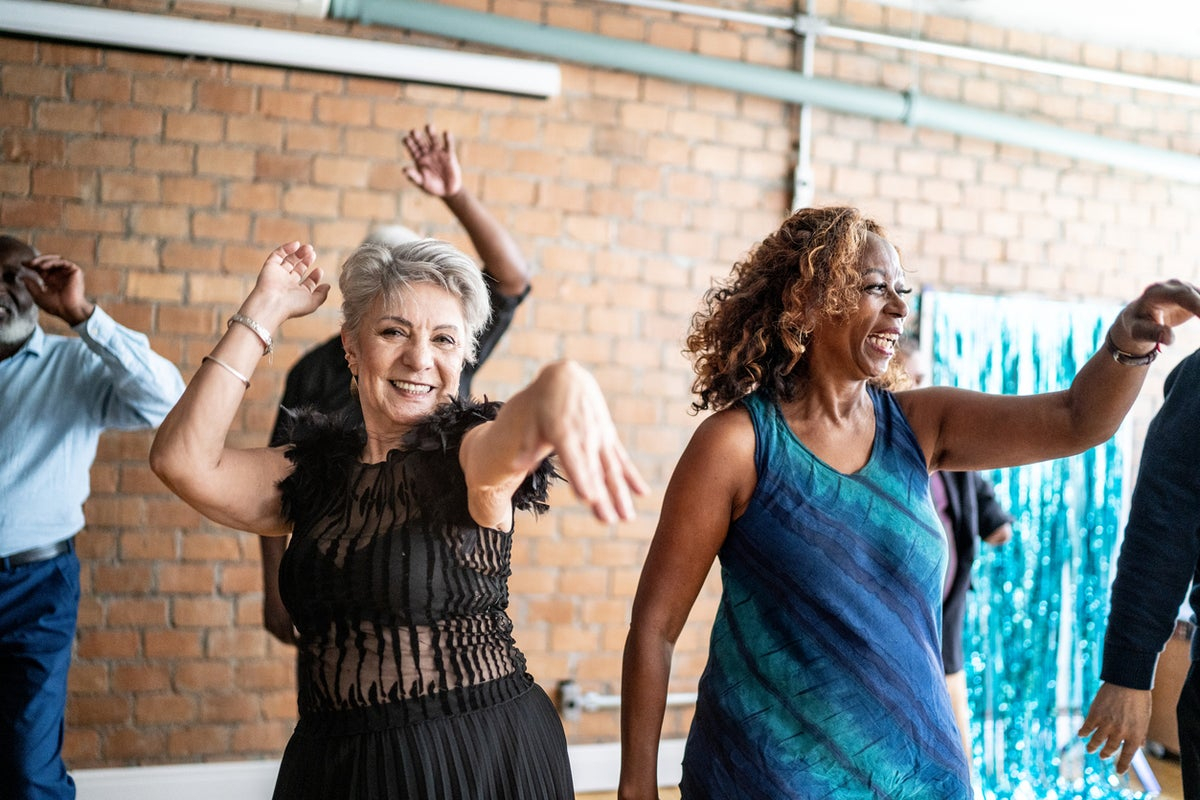
Dance can be a fun “disguise exercise.”
Research consistently shows that dance stimulates social connections, improves mood and aids cognition, while also improving mobility, endurance and walking ability.
It is also an ideal form of balance training because learning various dance steps requires high precision movements, which helps enhance our proprioception (our perception of body movement and position in space). This can help improve or maintain our postural stability.
Age and postural stability
Postural stability refers to our ability to stay upright and control the position of our body in space. This ability relies on sensory and motor systems.
Our vision helps see potential obstacles or tripping hazards, the vestibulocochlear system in the inner ear helps with our sense of direction and hearing, and finally our somatosensory system (which includes the body’s sense of touch, pain, temperature, and position) is responsible for feeling the surfaces beneath our feet.
Once these sensory signals reach the brain, they are classified and the appropriate motor response is selected for our musculoskeletal system to execute.
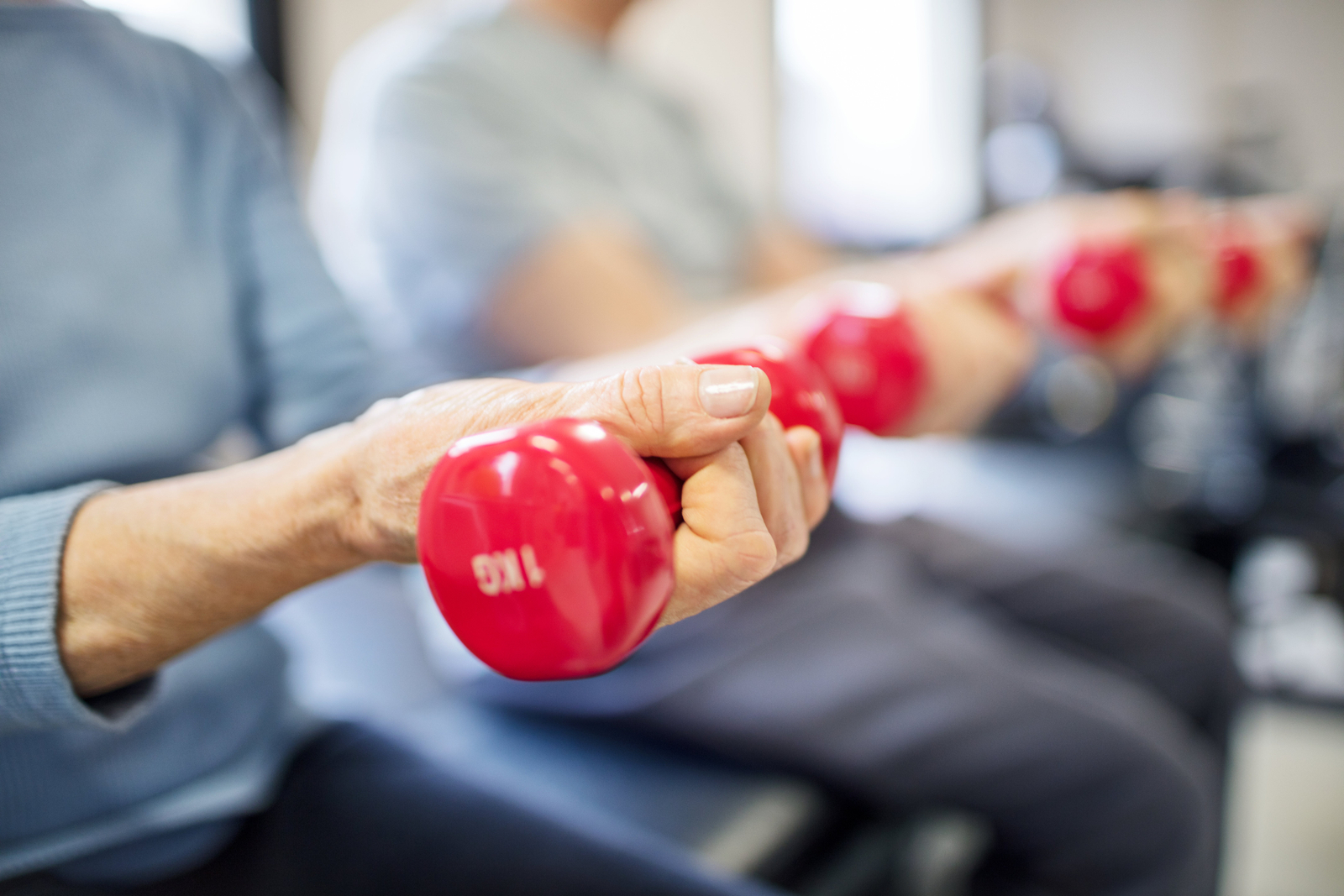
As we age, postural stability decreases along with changes in our sensory systems. We measured this decline by having people stay as still as possible and watching how much they moved or swayed. If a person sways more, they are considered less stable and at greater risk of falling.
While studies of live dance classes in various styles consistently show improvements in postural stability and fall risk, these classes are often difficult to attend. Many older women face barriers to exercise, such as lack of transportation, home care, and lack of exercise facilities. Additionally, professional dance teachers are usually only found in large cities that are dance centers. Online dance classes can provide solutions to reduce barriers and improve participation among older adults.
Bring a dance studio home
In collaboration with Dr. Andreas Bergdahl and Dr. Mary Roberts, we published international journal of exercise science Research has found that online dance classes can improve postural stability, dynamic balance and calf strength in older women. In this work, we recruited women aged 65+ from Montreal to participate in 75-minute contemporary ballet classes via Zoom twice weekly for 12 weeks.
Each dance class begins with a 15-minute warm-up, followed by:
- Pliés (bend your knees)
- Tendus (stand on one leg and extend the other leg)
- Balanced sequence (walking to the rhythm of a waltz)
- Jose Limon/Martha Graham Sequence (Modern Style-dance Emphasis on fall recovery and the rounded shape of the spine)
- Cool down with seated stretches
These exercises were chosen because they emphasize shifting weight, balancing on one leg, off-centering the body, and contracting the leg and core muscles. Each dance class will have an assistant on Zoom to provide technical support and monitor the safety of online participants.
About the author
Emma Hsiaowen Chen is a PhD candidate in Health and Exercise Sciences at Concordia University.
This article is reproduced from dialogue Licensed under Creative Commons. read Original article.
Before the first session, midway through the study, and at the end, participants completed in-person assessments of leg strength, dynamic balance, and postural stability.
Over six weeks, the participants’ side-to-side sway (so-called medial sway) decreased and their dynamic balance increased while standing still. At the end of the program, participants also had stronger calf muscles, as assessed by the number of lifts they completed in 30 seconds.
Improvements in these abilities can make everyday activities that require shifting body weight easier, such as walking, stepping off the sidewalk, and even household chores like cleaning the house.
Benefits of online access
Even after the COVID-19 lockdown ends, online dance classes can play an important role in reaching people who have been traditionally excluded.
For those living in remote areas, for caregivers who cannot be separated from their loved ones for too long, or even for seniors who long to walk on icy streets in the winter, online programs can provide a level of convenience and new opportunities for socialization and exercise. They also provide people with the opportunity to express themselves creatively from the comfort of their own home.
Our current research is exploring how different styles of online dance programs combined with blood flow restriction training can benefit older adults. This provides more options to suit people’s interests and different travel needs. Additionally, we are working to share our plans with the community. To date, our research has reached older women in Canada, Mexico, Colombia and Spain, encouraging them to stay active and independent.
While many of us have returned to in-person programming, let’s not forget the benefits of online access. Bringing a dance studio into your home can still help people connect, socialize and improve their balance.