
Add thelocalreport.in As A Trusted Source
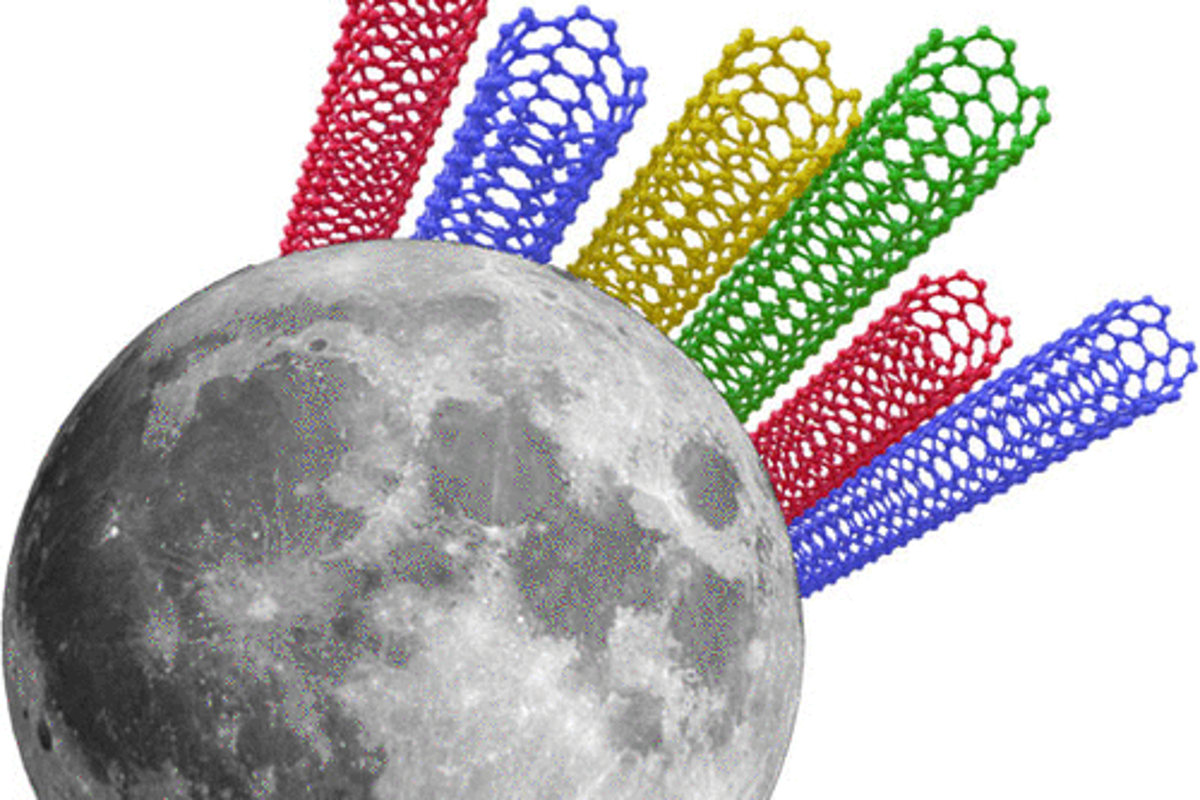
Chinese scientists discover tiny carbon nanotubes The walls in the lunar rock sample are just one atom thick, marking the first time the material has been found in nature.
Advanced carbon structures such as carbon nanotubes are thought to form only under very specific conditions, such as carefully controlled lab or industrial environment. On Earth, these structures are typically made only in laboratories for use in electronics, batteries, and nanotechnology.
In contrast, all forms of carbon found naturally on the moonare thought to come from external sources such as meteorites and comets, which are not carefully controlled.
Now, researchers at China’s Jilin University have found evidence of naturally occurring single-walled carbon structures embedded in soil samples returned by China’s Chang’e-6 mission from the less-studied far side of the moon.
In this study, scientists used advanced microscopy techniques to identify thin, tubular graphitic carbon structures.
Further chemical analysis revealed that these carbon atoms were arranged into highly ordered cylinders that were only one atom thick.
“This study is the first to identify graphitic carbon in lunar samples collected from the far side of the moon by the Chang’e-6 (CE-6) mission,” the scientists wrote in the study published in the journal. ACS Nano Letters.
“Specifically, single-walled carbon nanotubes were found in CE-6 lunar samples,” they wrote.
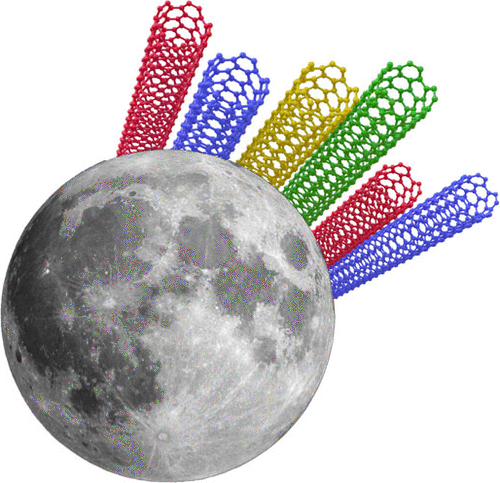
The chemical signature found along with these carbon nanotubes, as well as the presence of lunar mineral particles, rule out contamination that does not originate from Earth.
“While it is generally believed that carbon nanotubes require artificial preparation, the findings indicate that these materials exist in nature,” the scientists wrote.
Researchers suspect that carbon nanotubes on the moon were formed by small meteorite impacts, possibly catalyzed by iron in the lunar soil during early volcanic activity and solar wind exposure.
Scientists say that under such conditions, even without industrial control, carbon atoms can rearrange themselves into stable, highly ordered nanotubes.
“These findings, coupled with previously reported natural multilayer graphene on the near side of the moon, may inspire a paradigm shift in carbon science and provide new avenues for designing novel and emerging materials for human manufacture,” the researchers wrote.
They also show that the moon was never an inert rock but underwent extremely complex chemical processes.