

Add thelocalreport.in As A Trusted Source
(photo Credit : reuters)
 1 / 10
After nearly 20 years of on-and-off talks, India and the European Union have concluded negotiations on a major free trade agreement (FTA), which is being described as the “mother of all trade deals”. The agreement was formally announced at the India-EU summit in New Delhi on January 27 in the presence of Prime Minister Narendra Modi, European Commission President Ursula von der Leyen and European Council President Antonio Luis Santos da Costa. The deal is expected to be implemented by 2027. (Image: Reuters)

(photo Credit : reuters)
2 / 10At the core of the agreement are tariff cuts that could make many products cheaper, while allowing some sectors to receive limited benefits or remain protected. Here’s what’s likely to get cheaper after the India-EU FTA – and what not. (Image: Reuters)

(photo Credit : Canva)
3 / 101. European cars can become cheaper in India. The biggest change under the deal is in the automobile sector. India currently imposes over 100% import duty on completely manufactured foreign cars. Under the FTA, tariffs on European-made vehicles could be reduced by about 40% over time. This could make cars from brands like BMW, Mercedes-Benz, Volkswagen and Renault more affordable for Indian buyers. However, the cuts are expected to be phased in, with safety measures in place to protect domestic players like Tata Motors, Mahindra and Suzuki. (Image: Canva)

(photo Credit : Canva)
4 / 102. European wine and beer prices may fall. Alcoholic beverages are another major focus of the agreement. Import duties on European wine and beer are expected to be significantly reduced, making these products more affordable in the Indian market. This could benefit consumers in metro cities, hotels and restaurants, where imported liquor is currently expensive due to high taxes. (Image: Canva)

(photo Credit : Canva)
5 / 103. The cost of processed European food products may be reduced. Prices of many processed foods in Europe, including olive oil, fruit juices and packaged foods, are likely to fall following the tariff cuts. However, sensitive agricultural and dairy products have been kept out of the deal to protect Indian farmers, meaning core products like milk and basic agricultural produce will not be affected. (Image: Canva)

(photo Credit : Canva)
6 / 104. Medical equipment and machinery can become cheaper. The FTA is expected to reduce duties on medical devices, optical and surgical instruments, machinery and industrial equipment imported from the EU. This can help Indian hospitals, manufacturers and infrastructure projects reduce input costs and improve access to advanced technology. (Image: Canva)
(photo Credit : Canva)
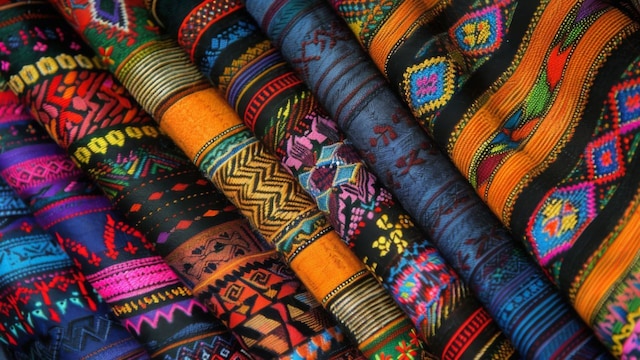
7 / 105. Indian textiles and apparel can become more competitive in Europe. On the export side, Indian industries will benefit. The EU will ease market access for Indian textiles, apparel, leather products and jewellery, helping them compete better with exporters from countries like Bangladesh and Vietnam. Lower tariffs could boost exports and support jobs in labor-intensive sectors. (Image: Canva)
(photo Credit : Canva)
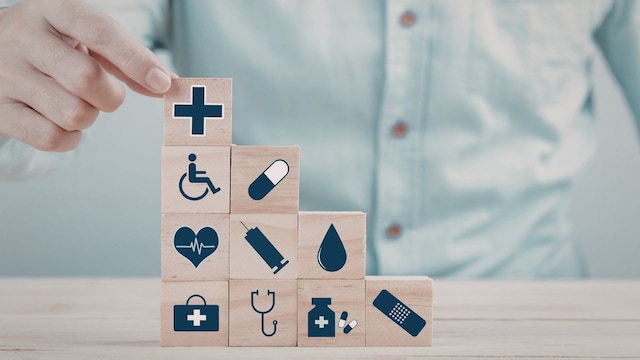
8 / 106. Benefits to pharmaceuticals, chemicals and electronics. Indian exporters of pharmaceuticals, chemicals and electronics are also expected to benefit from easier access to the European market. This may help allay concerns of the EU reducing preferential access under its Generalized System of Preferences, which has already hit Indian exports worth about $2 billion. (Image: Canva)

(photo Credit : Canva)
9 / 107. Some products will remain expensive. Despite the broad scope of the deal, agriculture and dairy products have been left out, reflecting India’s concern over the protection of millions of small farmers. Some sensitive industrial sectors have also been carefully handled to protect domestic producers from sudden disruption. There is no possibility of much change in prices in these segments. (Image: Canva)
(photo Credit : Canva)
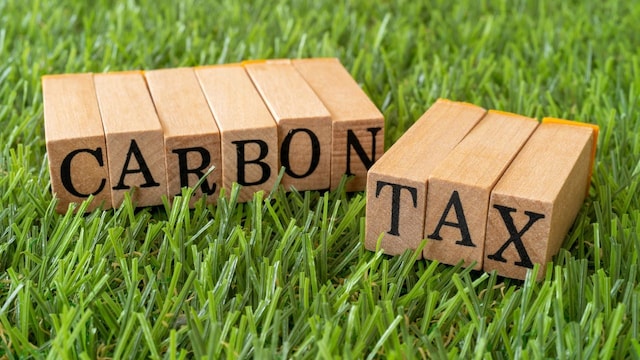
10 / 108. Carbon taxes may increase the cost of some Indian exports. Non-tariff barriers remain a concern. India has objected to the EU’s carbon-related duty on imports of steel, aluminum and cement. These measures may increase costs for Indian exporters, even if tariffs are reduced under the FTA. (Image: Canva)