
Add thelocalreport.in As A Trusted Source
When wild weather with high winds and heavy snow is forecast, meteorologists sometimes warn that the storm could “bomb” or become a bomb cyclone. But what does this mean?
According to the United States National Oceanic and Atmospheric Administrationsome storms can explode, which occurs when the storm’s central pressure drops by at least 24 millibars over a 24-hour period. These storms are sometimes called bomb cyclones. Storm intensity is measured by central pressure, so the lower the pressure, the stronger the storm.
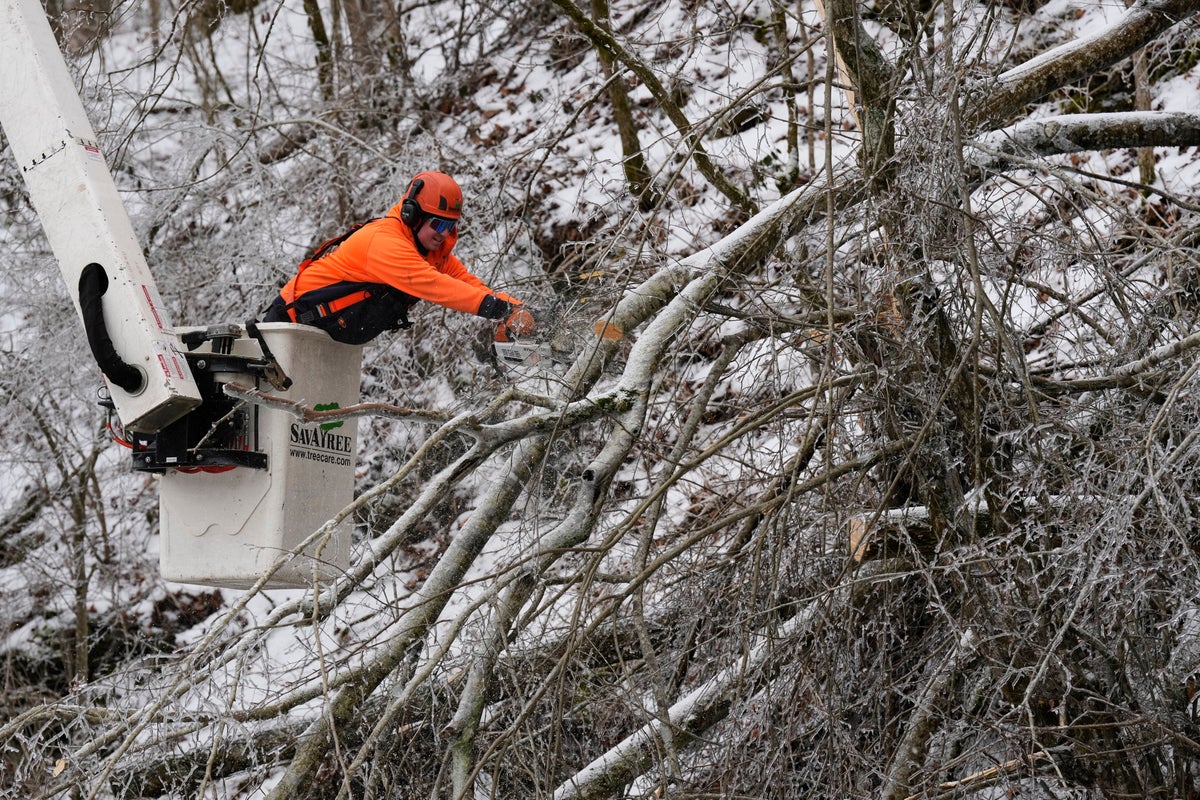
Such rapidly intensifying storms can produce heavy rain, blizzards and strong winds that can cause hazardous conditions such as downed trees and power outages.
“If you watch the weather forecast on TV at night and you hear ‘bomb cyclones’ being used, that usually means there’s quite a bit of active weather going on,” meteorologist Andrew Orrison said. National Weather Service In College Park, Maryland.
Bomb cyclones can occur in any season, but occur primarily in the fall and winter, when cold air from the Arctic can spread southward and collide with warmer air masses.
“The conflict of these air masses really helps create areas of low pressure,” Orrison said.
The area is located in North America Areas prone to bomb cyclones include Alaska pacific northwest and the Great Lakes region.
___
AP’s climate and environment coverage receives financial support from multiple private foundations. The Associated Press is solely responsible for all content. Find AP’s criteria for working with charities, supporter lists and grant coverage at AP.org.