
Add thelocalreport.in As A Trusted Source
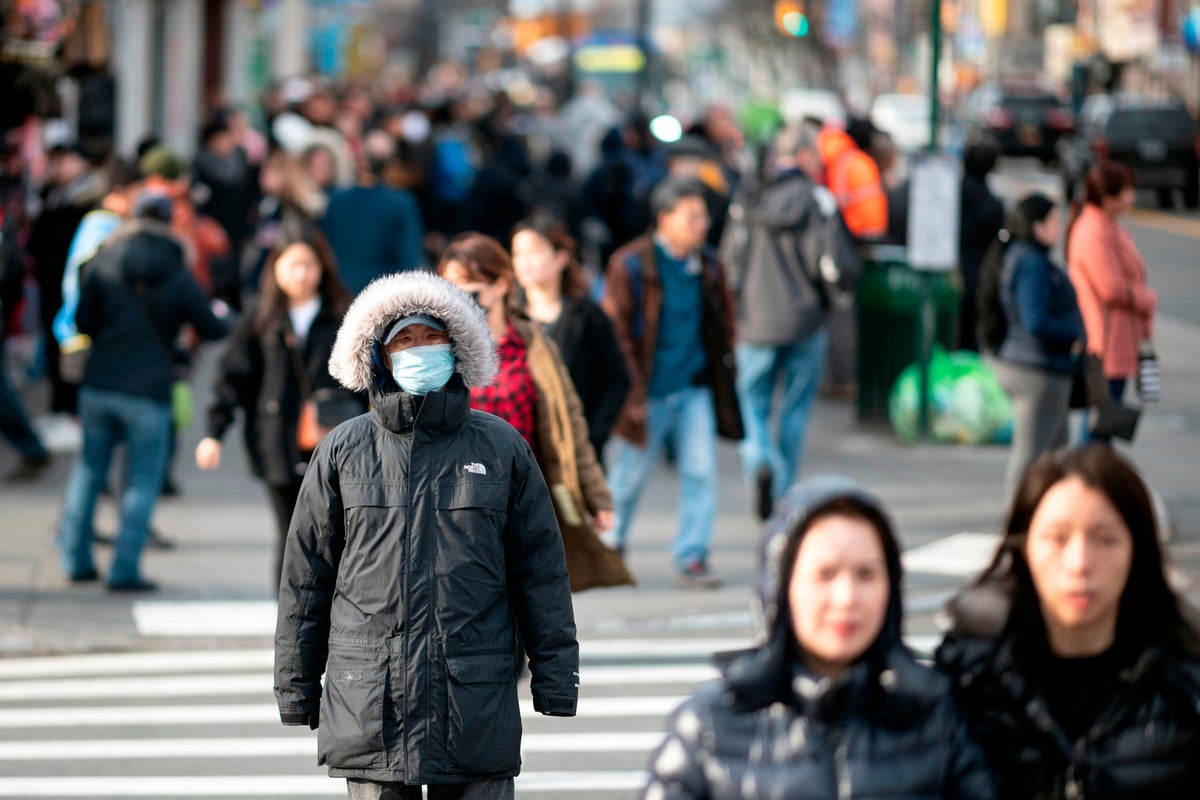
after a sharp rise influenza cases Influenza activity remained high in the United States and Canada in mid-December 2025.
Although the number of cases in Canada is trending downward as of January 9, 2026, The U.S. season has not yet reached its peakaccording to data Centers for Disease Control and Prevention.
As an emergency room pediatrician in central Massachusetts, I’ve seen a lot of influenza over the past few weeks. I hear from my colleagues in emergency rooms across the country who are experiencing similar surges in flu cases.
In early January, New York state recorded its highest number of flu cases in a single week. Several other states, including Colorado, are also seeing record flu levels, with 44 of 55 states and other jurisdictions reporting high or very high flu activity, according to the CDC.
The surge in influenza cases (widely dubbed “superflu” in media reports) is driven primarily by a newly discovered subtype of the virus known as subtype K.
How is the current flu season different?
Flu season is different every year. In 2024-2025, influenza cases will rise rapidly starting in October 2024. In contrast, the 2025-2026 season starts slowly, but then it’s as if a switch flips in early to mid-December.
In the last week of December, more than 8% of doctor visits across the country were for flu symptoms — the highest weekly rate since 2005. Flu emergency room visits soar Across the country, particularly in the South and Northeast, incidence rates in these areas exceed the national average.
During the same period, more than 26 per cent of influenza tests across Canada came back positive for influenza.
As of January 15, the Centers for Disease Control and Prevention estimates that influenza has sickened 15 million people, hospitalized 180,000 people, and killed 7,400 people this season. One small plus is that this flu season doesn’t coincide with the usual surge in respiratory syncytial virus (RSV) or COVID-19.
Traditionally, the flu is most dangerous to people over 65 or those with underlying health conditions, and symptoms are milder in young children. But this year the stress is hitting kids harder. They arrive at the emergency room after having a fever over 104 degrees for 5 to 7 consecutive days or experiencing complications from the flu, including febrile seizures, croup, or severe dehydration.

The CDC reports that a large number of children are currently hospitalized due to the flu. As of January 9, 17 children in the United States have died from influenza during the 2025-2026 season.
2024-2025 was the deadliest year on record for children, with 289 children dying from influenza.
What is subclade K?
Every year, the most prevalent influenza virus subvariants change slightly.
The most popular variant this year is Subclade Kwhich is a subtype of H3N2 influenza. Clade K was first discovered in Australia in July 2025. It is responsible for 91.5% of infections in the United States so far this season and is responsible for a spike in infections in Canada.
Depending on how quickly the number of flu cases is surging, clade K has proven itself to be a highly contagious variant. Its advantage may be driven by mutations that make it different from previous strains. Some scientists speculate that relatively low levels of H3 influenza virus transmission over the past few years may have contributed to lower immunity in the general population.
About the author
Zachary W. Binder is associate professor of pediatrics at UMass Chan School of Medicine. This article was originally published on dialogue and republished under a Creative Commons license. read Original article.
In my ER, we also see particularly high fevers of 104 or 105 degrees, compared to the more common low-grade fevers. This is not dangerous in itself, but in young children it does lead to more febrile seizures and dehydration.
How late is too late to get vaccinated?
In general, I recommend that people get the flu vaccine according to the American Academy of Pediatrics guidelines. Getting the flu shot has been shown to reduce the risk of severe illness, hospitalization, and death. People who are vaccinated are more likely to develop milder cases.
For anyone who is still considering getting a flu shot this season, I highly recommend getting it as early as possible. Waiting longer would limit the window in which the vaccine is most effective. This is because it takes several weeks for the flu vaccine to be most effective. Getting vaccinated in mid-January means peak protection in late January and early February.
The North American flu season typically peaks between December and February.
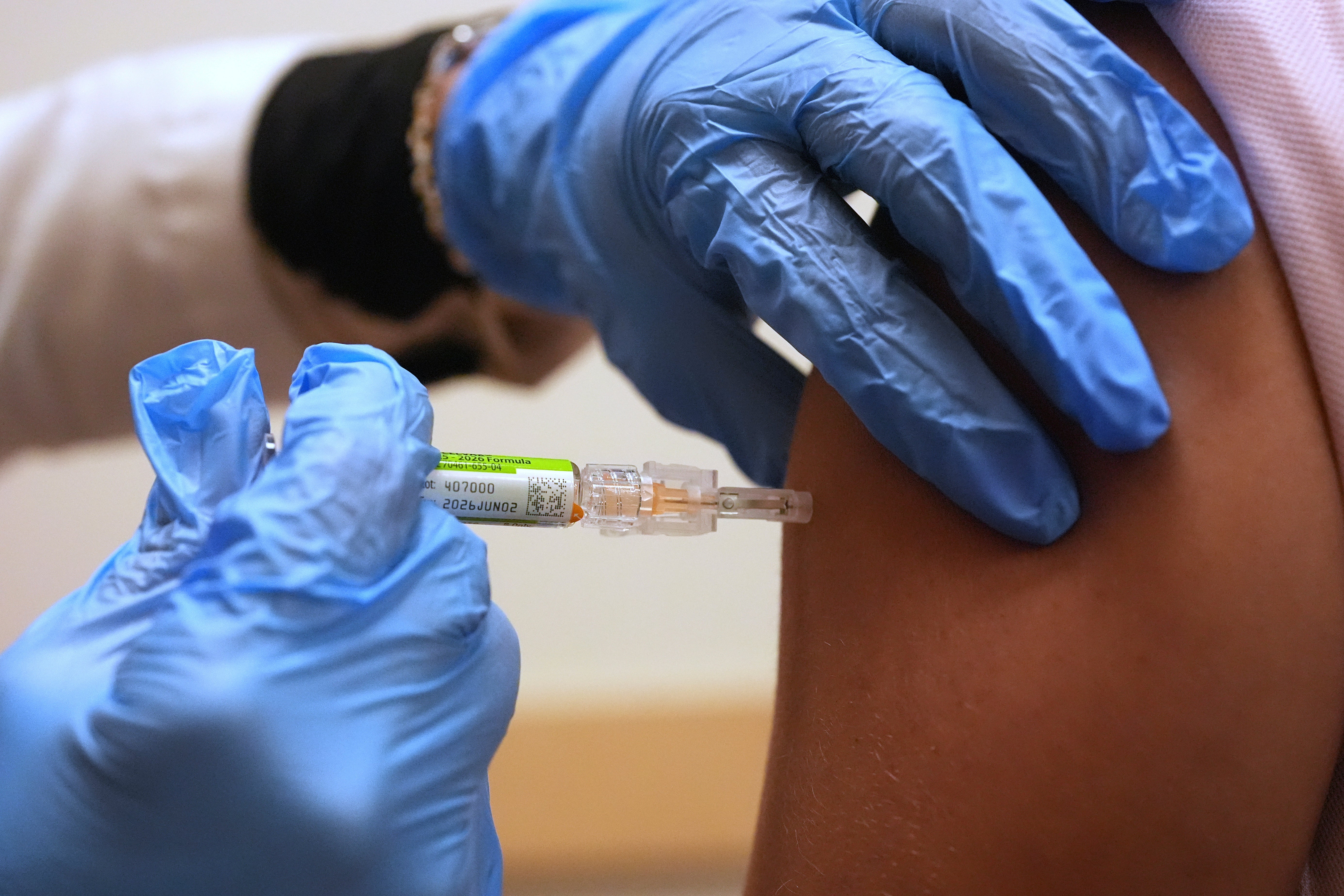
One thing to note, however, is that the strains selected for inclusion in the 2025-2026 influenza vaccine do not closely match the predominant circulating K subclades. Still, there is evidence that this year’s vaccines do offer protection.
Should you take a home flu test?
In my opinion, home flu tests are not particularly useful in most cases.
Many people seek flu testing to determine if they should receive antiviral treatments like Tamiflu. But while these treatments may relieve your symptoms a little, they aren’t particularly effective, and they come with their own risks, such as stomach upset, vomiting, and diarrhea. Most of my colleagues in the emergency department, including myself, rarely recommend them.
Whether you have the flu or a flu-like illness such as RSV, COVID-19, or rhinovirus, the recommendations for treating and managing the illness at home and the point at which I recommend someone seek care are no different.
Because of this, being able to put a label on the disease isn’t that important. Since the flu is so common right now, if you feel sick and have signs of fever and upper respiratory symptoms, you can pretty much assume you have the flu.
One exception is for people with underlying health problems, such as heart disease or severe asthma. For those who are hospitalized with the flu, antiviral treatment may be recommended, so a flu test may be helpful.
Basic precautions can protect you and your community
The same precautions apply to all flu-like illnesses, but subclade K deserves special attention for its contagiousness.
It’s important to protect yourself and your community. Frequent hand washing can minimize exposure to droplets containing the flu virus. What’s more, people who feel sick (especially those with a fever) should stay home as much as possible and avoid work, school, or activities until their fever is gone for 24 hours.