

Add thelocalreport.in As A Trusted Source
Four astronauts entered the quarantine area early First mission around the moon For over 50 years.
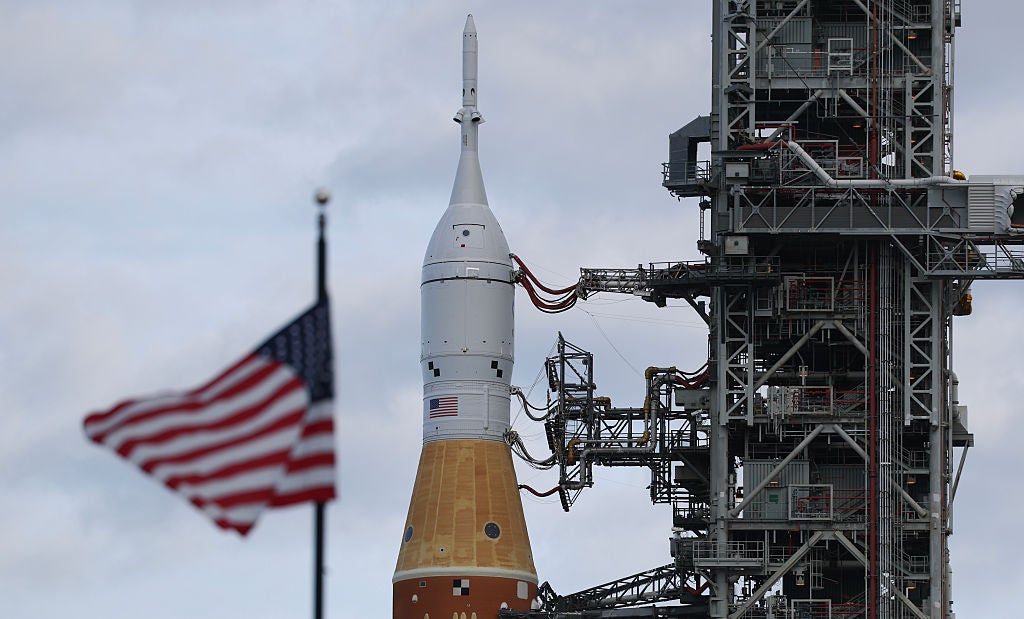
The Artemis 2 mission is scheduled to launch sometime next month, NASA The rocket was launched earlier this month ahead of the launch window opening in early February.
Three NASA astronauts – Reed Wiseman, Victor Glover and Christina Koch – and Canadian Space Agency (CSA) astronaut Jeremy Hansen will undergo approximately 14 days of quarantine to limit their chances of contracting the disease.
“Starting quarantine now preserves flexibility as the team pursues potential opportunities during the February launch,” NASA wrote in a mission update.
“At this time, the agency has not set an official launch date as testing of the rocket and spacecraft continues. Pending the results of wet-fit rehearsals or other operational considerations, the crew can exit quarantine and re-enter 14 days before any launch date.”
The quarantine, known as the Health Stabilization Program, will begin in Houston, Texas, before moving to NASA’s Kennedy Space Center in Florida six days before launch.
Staff can still contact friends, family and co-workers, but they will avoid public spaces, wear masks and keep their distance from anyone they come in contact with.
On launch day, astronauts will board the Orion spacecraft on top of NASA’s Space Launch System (SLS) rocket and lift off over the Atlantic Ocean.
The 10-day mission will take them around the moon and back before landing in the Pacific Ocean.
It will be the furthest humans have traveled from Earth since the Apollo 17 mission in 1972, and the last time astronauts will walk on the moon.
The Artemis 2 mission is designed to test the systems and hardware needed to continue the Artemis program, which aims to return humans to the lunar surface for the first time since Apollo 17.
The first manned lunar landing is planned for sometime in 2027 as part of the Artemis III mission.
NASA said in its latest mission update that the goal of returning to the moon is for “scientific discovery and economic benefits” while also providing the basis for future manned missions to Mars.