

Add thelocalreport.in As A Trusted Source
After the outbreak, airports in parts of Asia have begun to strengthen health monitoring and travel screening Nipah virus in a state in India.
After five cases of Nipah virus were confirmed in West Bengal, India, countries and regions including Thailand, Nepal and Taiwan have stepped up preventive measures.
Nipah virus is a zoonotic disease that is transmitted to humans primarily through infected pigs and bats, but can also be transmitted through close contact between humans.
In West Bengal, around 100 people are in quarantine after the virus was detected at a hospital. A doctor, a nurse and another staff member tested positive after the first two cases were confirmed by a male nurse and a female nurse in the same area.
In Thailand, the Ministry of Public Health has stepped up health screening of passengers arriving from West Bengal at major airports, using technology built during the Covid-19 pandemic.
Passengers at Suvarnabhumi, Don Mueang and Phuket airports are being monitored for fever and virus-related symptoms, and health “attention” cards are being issued to instruct travelers on what to do if they fall ill.
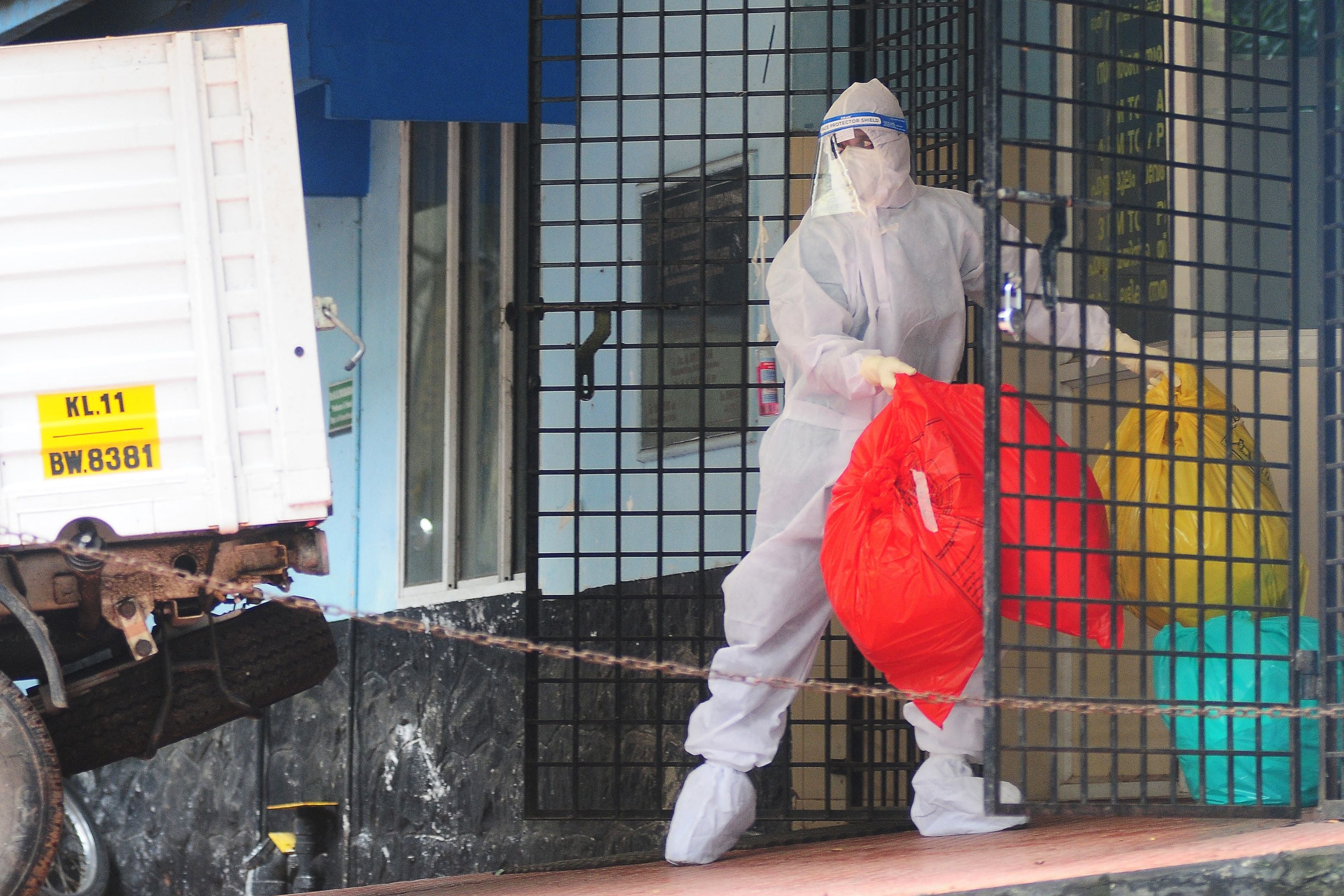
As part of preventive measures, officials have also stepped up cleaning and disease control preparations at Phuket International Airport. Indian airline Indigo operates one daily direct flight between Kolkata International Airport in West Bengal and Phuket.
Thai Prime Minister Anutin Charnvirakul said on Monday in response to public concerns that no cases of Nipah had been detected in the country, but surveillance levels would remain high.
“Amid the Nipah virus outbreak, Thailand’s Department of Disease Control began screening travelers from West Bengal, India, at Suvarnabhumi Airport and Don Mueang Airport on January 25. Health officials implemented strict measures as travelers showed good cooperation at checkpoints,” the Thai government said.
Travelers with high fever or symptoms of possible Nipah virus infection will be moved to quarantine facilities, local media reported.
The parks and wildlife department has also ordered stricter inspections of cave areas and natural tourist attractions in Thailand amid concerns about an outbreak in India.

It urges visitors to adhere to strict rules: “Don’t hunt, don’t forage, don’t eat.”
In Nepal, the government raised the alert level and stepped up health checks at Tribhuvan International Airport in Kathmandu and the main land border crossing with India to prevent the virus from entering the country.
Health desks have been set up to screen travelers for symptoms, and hospitals and border health posts have been instructed to report and manage suspected cases. Officials highlighted the challenges posed by open borders and the daily movement of people from neighboring West Bengal.
Health Ministry spokesperson Dr. Prakash Budhathoki said adequate measures have been taken to prevent the spread of the virus.
He said the government has started separate screening of passengers arriving in Nepal through Tribhuvan International Airport (TIA) and Indian border points.

“We have especially strengthened surveillance at the border crossings in Kosi province. Health checks have also been ordered for people entering Nepal through other border crossings,” he said.
Meanwhile, health authorities in Taiwan are planning to classify Nipah virus infection as a Category 5 notifiable disease, the highest classification for serious new infections under local law.
The move requires a 60-day public comment period before taking effect, requiring immediate reporting and special control measures if cases occur, reflecting concerns about the virus’s high lethality and pandemic potential.
Taiwan’s Centers for Disease Control (CDC) said Taiwan still maintains a Level 2 “yellow” travel alert for the southwestern Indian state of Kerala, reminding travelers to exercise caution.
Lin Mingcheng, deputy director of the Centers for Disease Control and Prevention, said the travel warning will be updated as the epidemic develops.
The World Health Organization describes Nipah virus as a priority pathogen because of its potential to cause epidemics.
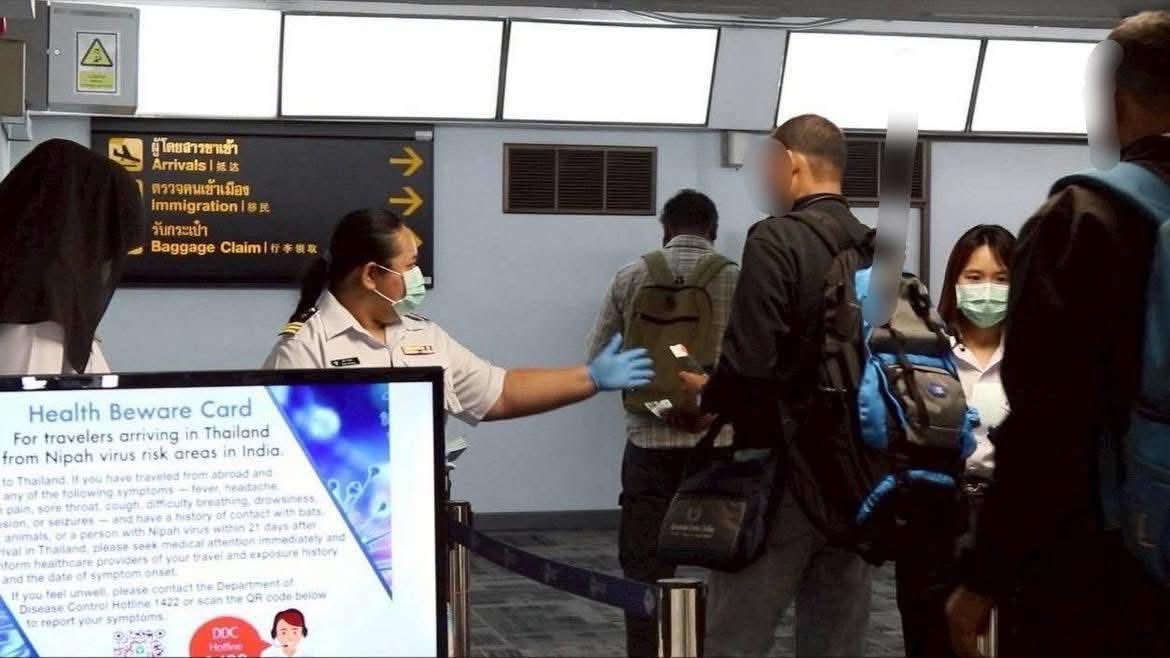
Initial symptoms of infection may include fever, headache, muscle pain, vomiting and sore throat, with more severe symptoms being dizziness or drowsiness, altered consciousness, severe SARS and respiratory illness.
People infected with the virus may have no symptoms at all, while others develop acute respiratory distress. In severe cases, Nipah virus can cause fatal encephalitis – an inflammation of the brain.
In the past, Nipah virus outbreaks have been associated with high mortality rates, reportedly ranging from 40 to 75 percent, depending on the outbreak and the strain involved.
Bangladesh, India, Malaysia, the Philippines and Singapore have all recorded the virus, with Bangladesh having the highest number of cases at 341 and 241 deaths, according to the International Society for Infectious Diseases.