

Add thelocalreport.in As A Trusted Source
Research over the past few years has shown that plastic pellets from Bottles, food packaging and waste Already present in human blood, lungs, placenta, arteries and even the brain. But a recent Guardian investigation suggests some of these claims may not be as strong as they first appear.
The idea that tiny pieces of plastic could accumulate in the human body is unsettling. This concern stems primarily from evidence that nanoplastics (the smallest fragments of plastic) can damage animal embryos and human cells grown in the laboratory. Slightly larger particles are called Microplasticsit is unclear whether it is harmful to living things if ingested. At least, we are not aware of any research on this.
The Guardian reports Discovered some scientists believe these reports on plastics human body Possibly a false positive. They do not imply any scientific impropriety. Instead, they believe the tissue samples were accidentally contaminated in the lab, or in another case, natural fats in the samples produced readings that looked like plastic.
For example, in February 2025, the magazine natural medicine published a paper in which the authors proposed that “a trend towards increased MNP [microplastics and nanoplastics] But in November 2025, the same journal published a letter from another group of scientists criticizing the methods used in the original paper.
Controversies such as this raise an awkward question: Are small plastic particles really present throughout the human body, or is the science still too uncertain to support this claim?
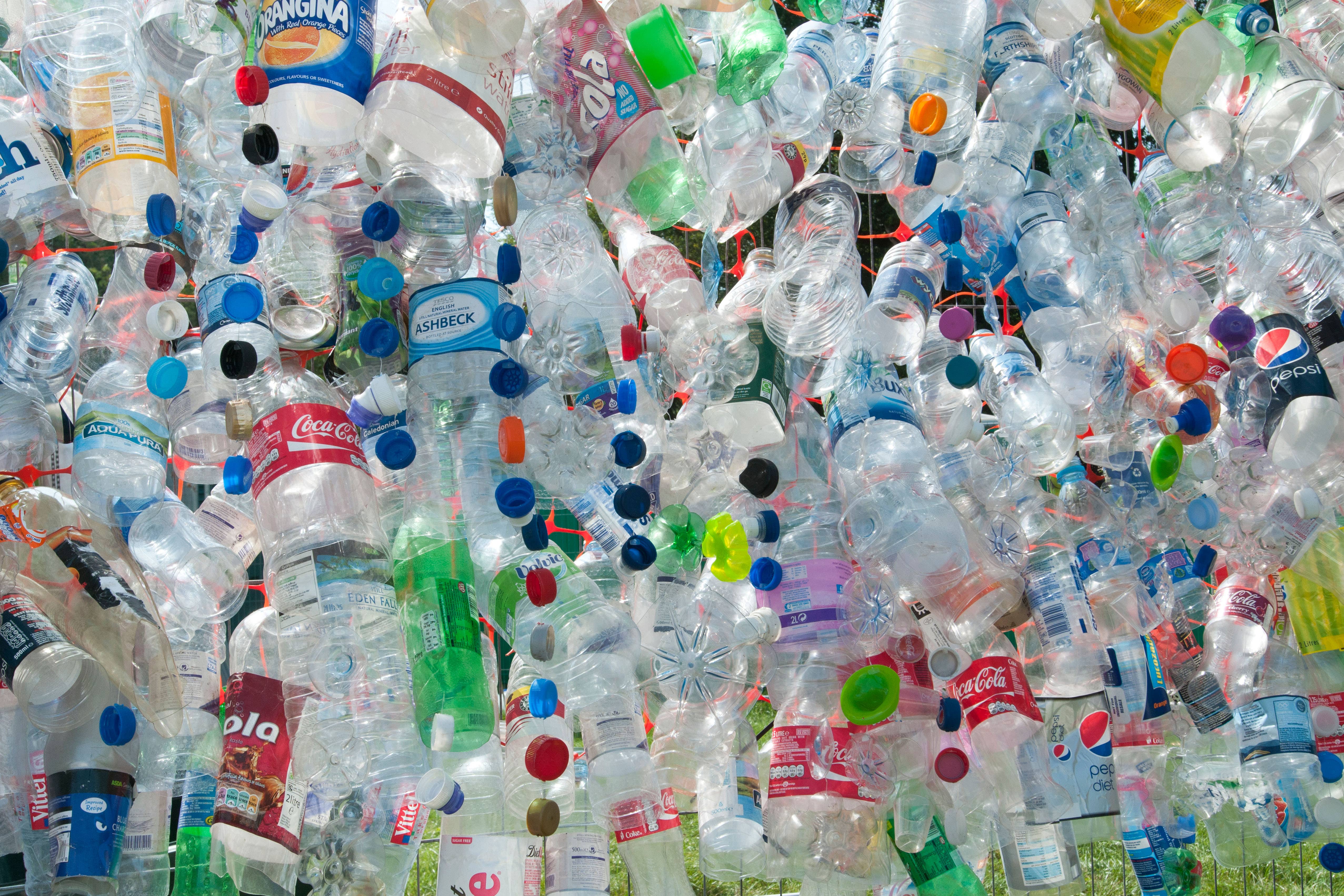
Plastic pollution in our environment is not controversial. Small plastic particles are everywhere, so exposure is inevitable. However, detecting these particles, especially nanoparticles, in human tissue is not trivial and often requires advanced analytical tools.
Most studies follow a similar path. A biological sample (such as blood or tissue) is collected as a biopsy during surgery or at an autopsy. The samples are then analyzed using sensitive instruments designed to identify the plastic based on its chemical fingerprint.
Pollution is a major challenge. Plastic fibers and debris are everywhere: in laboratory air, operating rooms, clothing and equipment. Most problematically, plastic particles can be found in single-use labware such as syringes, pipettes and centrifuge tubes – the very equipment used to process tissue samples.
When the researchers looked for the same number of extremely small particles, even tiny amounts of plastic contaminants swamped the signal.
About the author
Michael Richardson is Professor of Animal Development at Leiden University.
Yang Le is a doctoral student at Leiden University specializing in the biological effects of nanomaterials.
This article is reproduced from dialogue Licensed under Creative Commons. read Original article.
Standard practice for analysis is to run blank samples alongside real samples, or use tissue samples that are unlikely to contain plastic, such as chicken embryos sealed inside eggs, to show the extent of background contamination in the laboratory. Critics argue that some studies do not always compare human samples to such “controls.”
We must remember that the research criticized by some of the scientists in the Guardian article was a sincere attempt to answer a pressing question in a rapidly evolving field. While there are specific arguments for each of the studies criticized, the issues raised highlight that the entire field of detecting microplastics in humans is still very new, with many teams working hard to find the best analytical techniques.
Disagreements and corrections are part of the workings of science, and controversy is to be expected—especially when a topic attracts such intense public attention.
Scientists may be studying the wrong type of plastic pellets
As mentioned earlier, small plastic particles fall into two broad categories: microplastics (usually the size of pollen grains) and smaller nanoplastics (the size of some viruses). Microplastics are fairly easy to detect, but nanoplastics are so small that only the most advanced technology can identify them.
Most studies reporting on plastic particles in the human body have focused on microplastics because they are easier to detect. However, nanoplastics may be more relevant to human health. Nanoplastics can cross biological barriers and be toxic to human cells grown in petri dishes, and, in our research, animal studies have shown that nanoplastics can damage developing embryos.
Nanoplastics can also be taken up by cells, causing cell damage or cell death. In contrast, microplastics are mostly too large to be taken up by cells.
However, this does not mean that microplastics are harmless. It is at least possible that they are recognized by the immune system as foreign substances and cause inflammation, although more research is needed to explore this possibility. Microplastics can also act like tiny sponges, absorbing toxic chemicals from the environment, such as persistent organic pollutants, and potentially carry them into the body.

Controversy over the real risks posed by small plastic particles may create the false impression that there is a problem across the sector, but this is not the case. That’s why researchers working on measurement methods are particularly vocal about the need for higher standards. The good news is that these standards are improving rapidly.
Laboratories are becoming increasingly aware of contamination risks. Multiple analytical techniques are increasingly used on the same sample to cross-check results. The hope is that researchers will be able to develop standard operating procedures for analyzing microplastics in human tissue and other biological samples.
If you’ve read the alarming headlines about small plastic pellets, the current state of knowledge calls for caution, not panic. There is currently no clear evidence that large amounts of plastic are accumulating in human organs, or that reported increases in plastic over time reflect real biological trends rather than methodological errors.
In the meantime, it may be wise to reduce daily exposure to plastic particles where feasible. We can try to avoid contact with food and drinks that have come in plastic packaging or containers, improve indoor ventilation, and use simple water filtration (such as activated carbon filters) to reduce exposure.
The heated debate over these studies can be unsettling, but it reflects an emerging scientific field that is finding its footing. As methods improve and human tissue testing becomes more rigorous, the picture will become clearer. Most importantly, claims about the effects of plastic on the human body are supported by strong evidence.