

Add thelocalreport.in As A Trusted Source
NHS Patients are enduring a ‘broken system’ corridor carenew findings from the Royal College of Nursing (RCN) reveal.
An RCN survey of 436 nurses this month showed poor quality care remains widespread.
Shocking reports include one patient being left in a chair for four days and another suffocating undetected in a corridor.
Nurses also described holding up white sheets to protect patients’ dignity during intimate procedures.
In one particularly distressing example, an elderly patient was forced to eat next to someone who was vomiting due to severe crowding in a hospital corridor.
The union warned that these “collapsed care standards” were driving NHS staff morale “almost to the point of no return”, stressing that this lack of care remains a long-standing problem.
One nurse working in the NHS in south-west England said: “I imagine patients feeling deeply embarrassed, objectified, judged, uncared for, burdened by a broken system, wishing they had never bothered to come in and would rather risk dying at home than go through torture. Because that is the kind of torture we are subjecting them to.”
Another nurse in the South said: “We don’t treat animals like this in a veterinary clinic, so why in a hospital?”
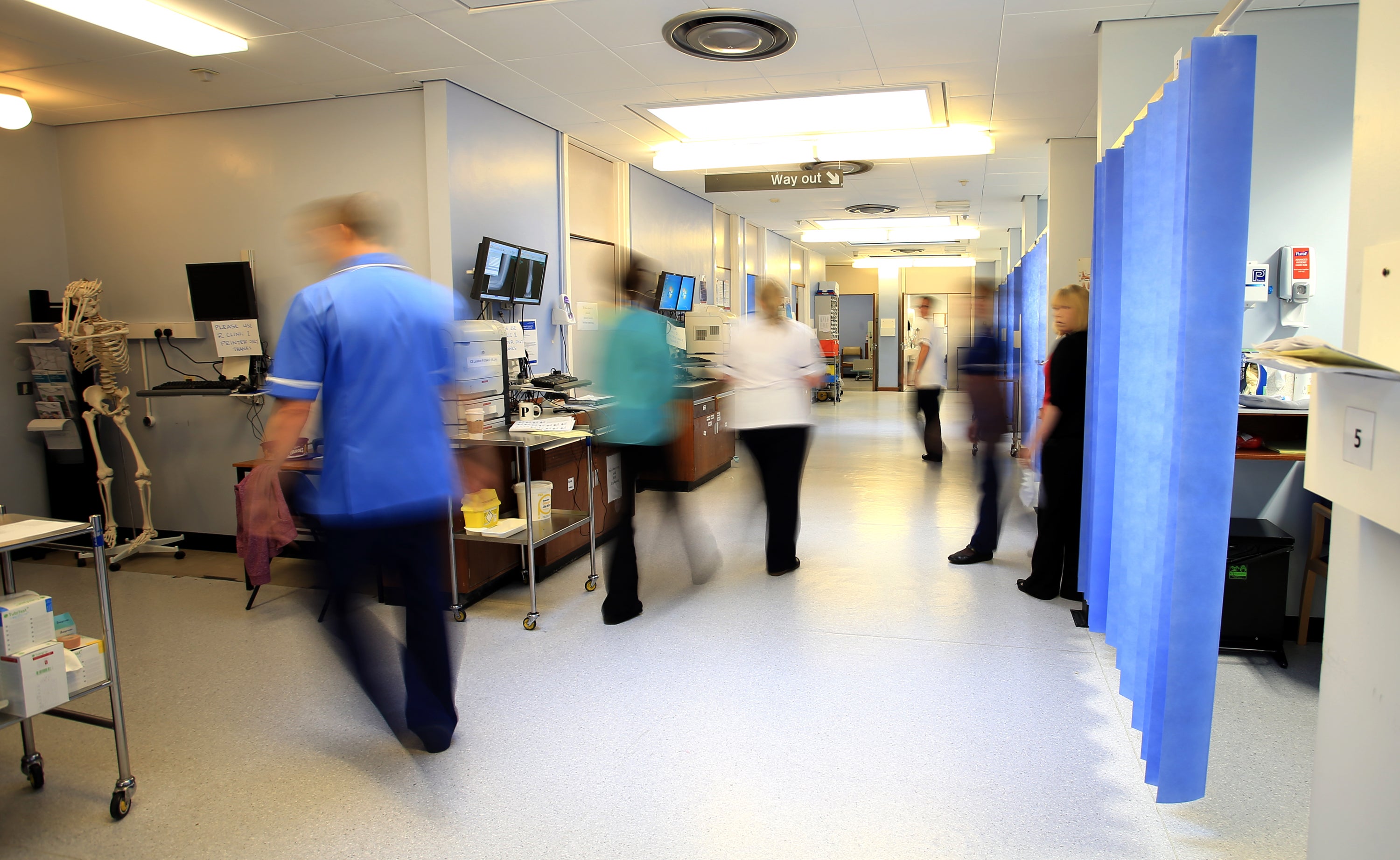
Nursing staff told the RCN they were treating patients in cold corridors, cafeterias, staff kitchens, offices, seminar rooms, family rooms, deceased viewing rooms and discharge lounges.
A nurse in the south said they were left with nightmares after a patient died in a lounge-turned-ward.
Another nurse in the West Midlands said: “I go home worried that my patients and colleagues are being forced to provide this undignified care. I am very worried about this and it is causing pre-shift anxiety.”
In eastern England, one nurse said: “It’s cold in the corridor. There’s no oxygen, no monitors, nothing to help with care or anything.”
A nurse at an NHS hospital in north-west England said: “It breaks my heart to have a patient in the corridor at work, usually an elderly person, and come back two days later and they are still there.”
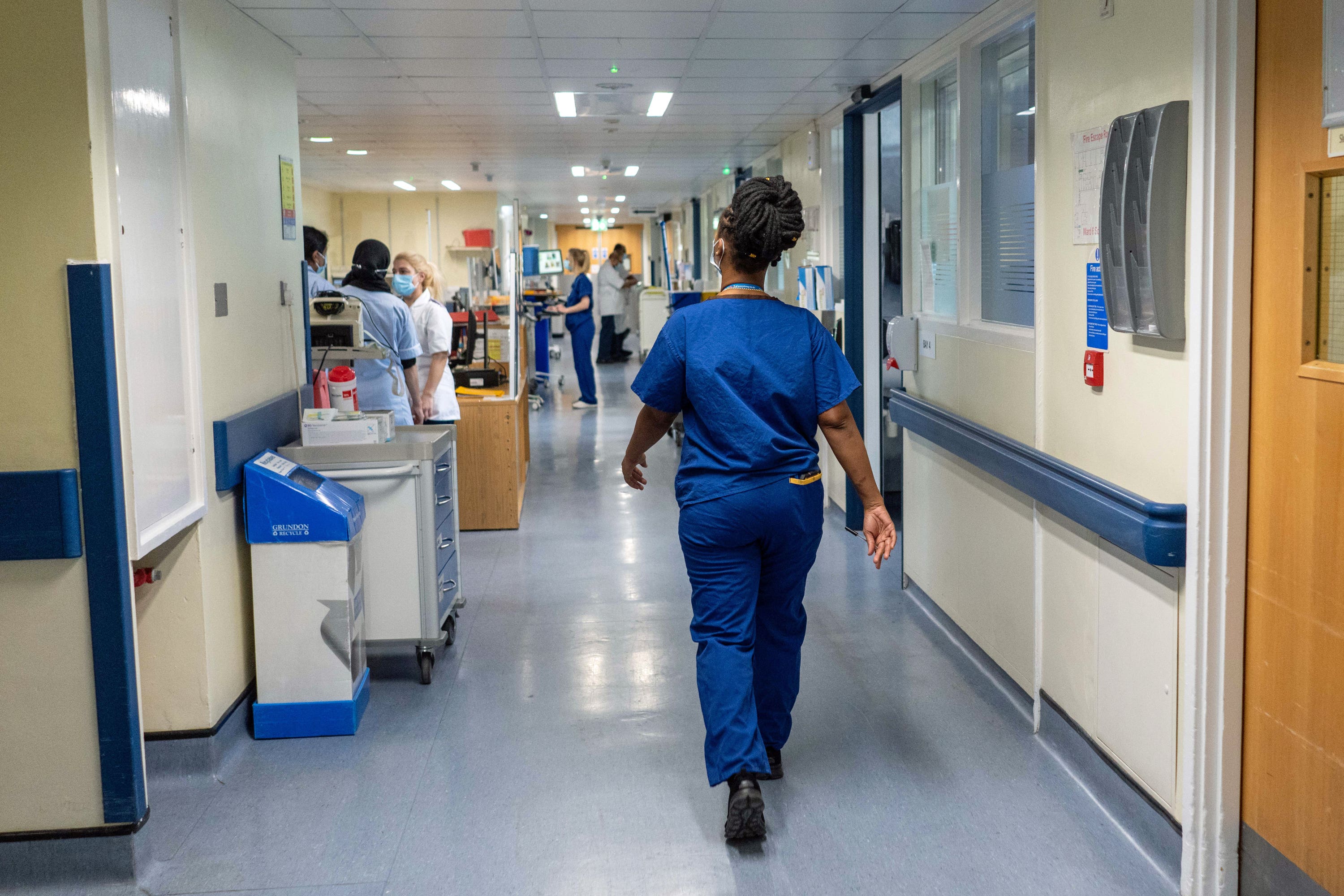
A nurse in London said elderly patients who often push trolleys in corridors 24 hours a day are developing incontinence and contracting respiratory viruses, leading to “extremely critical events including death”.
A nurse in Yorkshire said a terminally ill patient spent a week in a “temporary upgrade space” before being moved to a side room, where he died. “I will never forget this,” the nurse said.
Another person who works for NHS Scotland said: “It’s been very stressful and agonizing at times. There’s a sense of frustration and hopelessness.”
A nurse working in an NHS hospital in the south-east said: “The system is broken and so are we.”
Another nurse in the south-east said: “Personally, my anxiety levels are at an all-time high, I won’t sleep the day before my shift and am constantly checking live waiting times online so I can prepare before I arrive. It’s awful and there’s no end in sight.”

RCN general secretary Professor Nicola Rangel called on the government to take control of the situation by investing in more beds, nurses, community services and social care.
She said: “This new testimony from nursing staff reveals yet again the devastating human consequences of corridor care, with patients forced to endure conditions not found in our NHS.”
“The fact remains that safe, dignified care cannot be provided in hallways, storerooms or restaurants, but this has become the norm.
“The tragedy is that every day, people are harmed when they need quality care the most. This is heartbreaking and deeply disturbing.
“Paramedics declared a national emergency over corridor care more than 18 months ago, but far from being eradicated, the practice has become a permanent fixture, spreading throughout hospitals and beyond emergency departments.
“This is taking a terrible toll on staff but ministers must not let them lose hope.”
A YouGov survey of 2,150 British adults found that 69% believe the government’s pledge to eliminate corridor care in England by “the end of parliament” is “too slow”.
A spokesman for the Department of Health and Social Care said: “No one should receive care in corridors – the situation we have inherited is unacceptable and undignified and we are determined to end it.
“Staff, including nurses, are under huge pressure and we recognize the dedication and professionalism of those who are keeping patients safe and delivering the best possible care.
“We have taken immediate steps to address these issues, including investing £450 million to expand urgent care services, expanding the vaccination program, preparing for winter earlier than ever before, creating 40 new same-day urgent care centers and 15 mental health crisis centres.
“Meanwhile, NHS England is working closely with trusts and social care colleagues to reduce changes, resolve inconsistencies, improve data collection and reduce discharge delays.”
Rory Deighton, director of acute and community care at the NHS Confederation, said: “Healthcare leaders know corridor care is undignified, often unsafe and frustrating for patients and their families. They also know the toll this practice is now taking on staff.”
“However, patient flow is a system-wide issue, of which hallway care is only the tip of the very obvious iceberg.
“For more than a decade, the NHS has suffered from a lack of capital investment and has been plagued by crumbling infrastructure and outdated equipment.
“There simply isn’t enough space to accommodate and treat the number of patients who need care.
“Health leaders will continue to do everything they can to address the root causes of corridor care, including working to ensure flow through the system by improving patient discharges, working with local authorities to improve social care services, and prioritizing vulnerable older patients at the front door through increased frailty screening.”